-
 Crazygames 2024
-
 Feminization Games
-
 FNAF Unblocked
-
 Play With Friends
-
 Geometry Dash Unblocked
-
 Google Sites Unblocked
-
 GTA Unblocked
-
 Horror Unblocked
-
 Minecraft Unblocked
-
 1v1.LOL
-
 2 Player
-
 ABCya
ABCya
-
 Action
-
 Adventure
-
 Amanda The Adventurer
-
 Among Us
-
 Backrooms
-
 Baldi’s Basics
-
 Bamboozle
-
 Barbie
-
 BeamNG Drive
-
 Best
Best
-
 BitLife
-
 Bleach vs Naruto
-
 Chess
Chess
-
 Chilla's Art
-
 Choo Choo Charles
-
 Creepypasta
-
 Doraemon
-
 DOS
DOS
-
 Driving
-
 Easymath
-
 Evil Nun
-
 Fancade
-
 Farming Simulator
-
 Fighting
-
 FNaF
FNaF
-
 Friday Night Funkin
-
 Friv
Friv
-
 Gacha Life
-
 For Boys
-
 For Girls
-
 For Kids
-
 Garry’s Mod
-
 Garten of Banban
-
 Genshin Impact
-
 Goat Simulator
-
 Granny
-
 GTA
GTA
-
 Happy Wheels
-
 Hello Neighbor
-
 Horror
-
 Hungry Shark
-
 Incredibox
-
 Incredibox Scratch
-
 Indie
Indie
-
 IO Games
-
 Itch.io
-
 Japanese Horror
-
 Jump Force Mugen
-
 Kogama
-
 Lagged
-
 Mahjong
-
 Medical Doctor
-
 Melon Playground
-
 Minecraft
-
 Multiplayer
-
 Multiplayer Unblocked
-
 My Singing Monsters
-
 Nintendo
-
 Old Games
-
 Papa's
-
 PK XD
PK XD
-
 Poki
Poki
-
 Poppy Playtime
-
 Purble Place
-
 Puzzle
-
 Racing
-
 Rainbow Friends
-
 Red Ball
-
 Retro Bowl
-
 Roblox
-
 Sakura School Simulator
-
 Shooting
-
 Skibidi Toilet
-
 Snowmobile
-
 Solar Smash
-
 Sports
-
 Stickman
-
 Summertime Saga
-
 Supermarket Simulator
-
 Survival
-
 Talking Angela
-
 Talking Ben
-
 Talking Tom
-
 That's not my Neighbor
-
 The Amazing Digital Circus
-
 The Baby In Yellow
-
 Play The Pizza Edition Games Online
-
 The Sims
-
 Toca Boca
-
 Toca Life
-
 Touchdown
-
 Unblocked 6969
-
 Play Wobbly Life Games
-
 Retro Unblocked
-
 Sprunki Games
-
 Sprunki Wenda Treatment Games
-
 Stickman Unblocked
-
 Suika Games Online
-
 Unblocked 2024
-
 Unblocked Games 66
-
 Unblocked Games 76
-
 Unblocked Games 77
-
 Unblocked Games at School
-
 Unblocked Games Premium
-
 Unblocked Games World


Advertisement
Granny Multiplayer
Advertisement
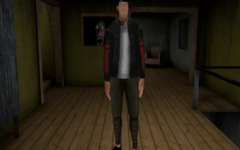
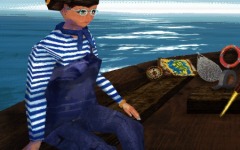
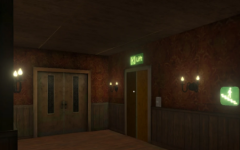
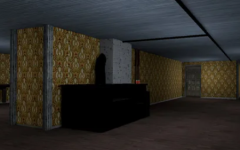
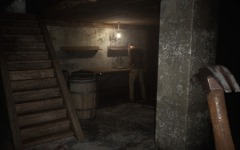
Granny Multiplayer is a cooperative survival horror game where players are trapped inside a locked house and must work together to escape. The environment is structured as a closed space filled with rooms, hidden items, and locked exits. The main objective is to find the necessary tools to unlock the main door or alternative escape routes while avoiding the antagonist. The game builds on the original escape concept, adding multiplayer coordination as a central element of progression .
Core Gameplay And Objectives
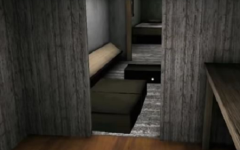
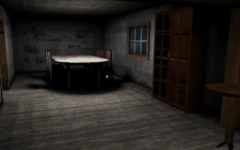
The gameplay revolves around exploration and puzzle-solving under constant threat. Players search the house for keys, tools, and objects required to unlock barriers. Each item has a specific function, and using them in the correct order is necessary for progression. Movement is limited to walking, crouching, and interacting with objects, which keeps the focus on careful navigation. The house layout includes multiple floors and hidden areas, requiring players to memorize paths and plan routes.
Multiplayer And Cooperation
A key difference from single-player versions is the presence of multiple players in the same session. Participants can cooperate by sharing information, splitting tasks, or distracting the antagonist while others complete objectives. Communication becomes essential, as players must decide how to distribute roles and manage risk. At the same time, coordination mistakes can lead to failure, especially when actions create noise or reveal positions.
The main gameplay loop includes:
- exploring rooms to find keys and tools
- solving puzzles to unlock exits
- coordinating actions with other players
- avoiding detection and reacting to threats
- escaping the house before time runs out
Enemy Behavior And Stealth
The antagonist reacts primarily to sound, which directly affects player strategy. Actions such as dropping items, running, or interacting with objects can alert the enemy, triggering a chase. Players must balance speed and caution, deciding when to move quickly and when to stay hidden. Additional hazards such as traps or environmental dangers increase the complexity of movement and require constant attention .
Structure And Replayability
Granny Multiplayer supports repeated sessions due to variable player behavior and item placement. Each playthrough can differ depending on how players cooperate and which strategies they choose. The house remains the same, but outcomes change based on decisions and coordination. This creates a system where replayability is driven by teamwork, experimentation, and improving efficiency.