-
 Crazygames 2024
-
 Feminization Games
-
 FNAF Unblocked
-
 Play With Friends
-
 Geometry Dash Unblocked
-
 Google Sites Unblocked
-
 GTA Unblocked
-
 Horror Unblocked
-
 Minecraft Unblocked
-
 1v1.LOL
-
 2 Player
-
 ABCya
ABCya
-
 Action
-
 Adventure
-
 Amanda The Adventurer
-
 Among Us
-
 Backrooms
-
 Baldi’s Basics
-
 Bamboozle
-
 Barbie
-
 BeamNG Drive
-
 Best
Best
-
 BitLife
-
 Bleach vs Naruto
-
 Chess
Chess
-
 Chilla's Art
-
 Choo Choo Charles
-
 Creepypasta
-
 Doraemon
-
 DOS
DOS
-
 Driving
-
 Easymath
-
 Evil Nun
-
 Fancade
-
 Farming Simulator
-
 Fighting
-
 FNaF
FNaF
-
 Friday Night Funkin
-
 Friv
Friv
-
 Gacha Life
-
 For Boys
-
 For Girls
-
 For Kids
-
 Garry’s Mod
-
 Garten of Banban
-
 Genshin Impact
-
 Goat Simulator
-
 Granny
-
 GTA
GTA
-
 Happy Wheels
-
 Hello Neighbor
-
 Horror
-
 Hungry Shark
-
 Incredibox
-
 Incredibox Scratch
-
 Indie
Indie
-
 IO Games
-
 Itch.io
-
 Japanese Horror
-
 Jump Force Mugen
-
 Kogama
-
 Lagged
-
 Mahjong
-
 Medical Doctor
-
 Melon Playground
-
 Minecraft
-
 Multiplayer
-
 Multiplayer Unblocked
-
 My Singing Monsters
-
 Nintendo
-
 Old Games
-
 Papa's
-
 PK XD
PK XD
-
 Poki
Poki
-
 Poppy Playtime
-
 Purble Place
-
 Puzzle
-
 Racing
-
 Rainbow Friends
-
 Red Ball
-
 Retro Bowl
-
 Roblox
-
 Sakura School Simulator
-
 Shooting
-
 Skibidi Toilet
-
 Snowmobile
-
 Solar Smash
-
 Sports
-
 Stickman
-
 Summertime Saga
-
 Supermarket Simulator
-
 Survival
-
 Talking Angela
-
 Talking Ben
-
 Talking Tom
-
 That's not my Neighbor
-
 The Amazing Digital Circus
-
 The Baby In Yellow
-
 Play The Pizza Edition Games Online
-
 The Sims
-
 Toca Boca
-
 Toca Life
-
 Touchdown
-
 Unblocked 6969
-
 Play Wobbly Life Games
-
 Retro Unblocked
-
 Sprunki Games
-
 Sprunki Wenda Treatment Games
-
 Stickman Unblocked
-
 Suika Games Online
-
 Unblocked 2024
-
 Unblocked Games 66
-
 Unblocked Games 76
-
 Unblocked Games 77
-
 Unblocked Games at School
-
 Unblocked Games Premium
-
 Unblocked Games World


Advertisement
Gacha Nebula
Advertisement

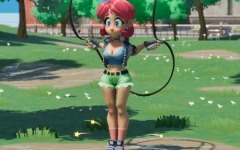
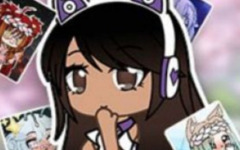
Gacha Nebula is a character creation and simulation game built around customization, scene design, and optional role-based gameplay systems. The player works with anime-style characters, adjusting appearance, poses, and settings to create original scenes or compositions. The structure is flexible, allowing the player to switch between designing characters, arranging scenes, and engaging with additional systems such as battles or interactions. The experience is centered on creativity rather than fixed objectives.
Core Gameplay And Character Creation
The main gameplay begins with creating characters using an extensive editor. Players can modify facial features, hairstyles, clothing, and accessories, combining elements to produce unique designs. The system includes a large library of items and visual options, allowing detailed adjustments. Characters can be posed using predefined or custom positions, which are then used in scenes. This creation process is the foundation of the game, and most other systems are built around it.
Scene Building And Interaction
After creating characters, players can place them into scenes using a studio mode. This mode allows arranging backgrounds, adjusting positions, and combining multiple characters in a single composition. Scenes can represent stories, dialogues, or static images. Some versions include interaction systems where characters can be used in simple role-based scenarios or battles. The player controls how scenes are structured and how characters are presented.
The main gameplay loop includes:
- creating and customizing characters
- selecting outfits, poses, and accessories
- placing characters into scenes
- arranging backgrounds and compositions
- repeating the process to build new designs
Systems And Additional Features
Gacha Nebula includes additional systems that expand beyond creation tools. Players can collect characters, form teams, and participate in simple combat or scenario-based gameplay. Some mechanics involve strategic selection of units and managing abilities during encounters. There are also gacha-style elements where new items or characters are obtained through randomized systems, adding variation to available content.
Replayability And Content Variety
The game supports repeated use through its open-ended structure. Players can continuously create new characters, experiment with different combinations, and build alternative scenes. Since there are no strict progression limits, replayability depends on creative exploration and experimentation. Updates and additional assets further expand available options, allowing new designs and compositions over time.