-
 Crazygames 2024
-
 Feminization Games
-
 FNAF Unblocked
-
 Play With Friends
-
 Geometry Dash Unblocked
-
 Google Sites Unblocked
-
 GTA Unblocked
-
 Horror Unblocked
-
 Minecraft Unblocked
-
 1v1.LOL
-
 2 Player
-
 ABCya
ABCya
-
 Action
-
 Adventure
-
 Amanda The Adventurer
-
 Among Us
-
 Backrooms
-
 Baldi’s Basics
-
 Bamboozle
-
 Barbie
-
 BeamNG Drive
-
 Best
Best
-
 BitLife
-
 Bleach vs Naruto
-
 Chess
Chess
-
 Chilla's Art
-
 Choo Choo Charles
-
 Creepypasta
-
 Doraemon
-
 DOS
DOS
-
 Driving
-
 Easymath
-
 Evil Nun
-
 Fancade
-
 Farming Simulator
-
 Fighting
-
 FNaF
FNaF
-
 Friday Night Funkin
-
 Friv
Friv
-
 Gacha Life
-
 For Boys
-
 For Girls
-
 For Kids
-
 Garry’s Mod
-
 Garten of Banban
-
 Genshin Impact
-
 Goat Simulator
-
 Granny
-
 GTA
GTA
-
 Happy Wheels
-
 Hello Neighbor
-
 Horror
-
 Hungry Shark
-
 Incredibox
-
 Incredibox Scratch
-
 Indie
Indie
-
 IO Games
-
 Itch.io
-
 Japanese Horror
-
 Jump Force Mugen
-
 Kogama
-
 Lagged
-
 Mahjong
-
 Medical Doctor
-
 Melon Playground
-
 Minecraft
-
 Multiplayer
-
 Multiplayer Unblocked
-
 My Singing Monsters
-
 Nintendo
-
 Old Games
-
 Papa's
-
 PK XD
PK XD
-
 Poki
Poki
-
 Poppy Playtime
-
 Purble Place
-
 Puzzle
-
 Racing
-
 Rainbow Friends
-
 Red Ball
-
 Retro Bowl
-
 Roblox
-
 Sakura School Simulator
-
 Shooting
-
 Skibidi Toilet
-
 Snowmobile
-
 Solar Smash
-
 Sports
-
 Stickman
-
 Summertime Saga
-
 Supermarket Simulator
-
 Survival
-
 Talking Angela
-
 Talking Ben
-
 Talking Tom
-
 That's not my Neighbor
-
 The Amazing Digital Circus
-
 The Baby In Yellow
-
 Play The Pizza Edition Games Online
-
 The Sims
-
 Toca Boca
-
 Toca Life
-
 Touchdown
-
 Unblocked 6969
-
 Play Wobbly Life Games
-
 Retro Unblocked
-
 Sprunki Games
-
 Sprunki Wenda Treatment Games
-
 Stickman Unblocked
-
 Suika Games Online
-
 Unblocked 2024
-
 Unblocked Games 66
-
 Unblocked Games 76
-
 Unblocked Games 77
-
 Unblocked Games at School
-
 Unblocked Games Premium
-
 Unblocked Games World


Advertisement
Pocket Ants
Advertisement
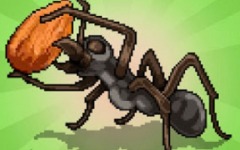
Pocket Ants is a simulation and strategy game where the player manages an ant colony and expands it through resource gathering and combat. The player controls worker ants and soldiers, collecting food, defending the colony, and exploring surrounding areas. The structure is based on continuous growth, where resources are used to upgrade the nest and increase the size of the colony. Progression depends on balancing expansion with survival against threats.
Core Gameplay And Colony Management
The gameplay revolves around managing different types of ants and assigning them tasks. Worker ants are used to collect food and materials, while soldier ants protect the colony and attack enemies. The player sends ants into the environment to gather resources, then returns them to the nest for storage and use. The colony itself can be expanded by digging new chambers and improving existing structures. Efficient management of units and space is essential for steady progress.
Exploration And Resource Gathering
Outside the nest, the player explores a map filled with resources, insects, and other colonies. Food sources include plants, dead insects, and other items that can be transported back to the colony. Movement is controlled directly, allowing the player to guide ants to specific targets. The environment contains both safe areas and dangerous zones, requiring attention to enemy presence and resource availability. Exploration becomes more complex as the player travels farther from the nest.
The main gameplay loop includes:
- sending ants to collect food and materials
- transporting resources back to the colony
- expanding and upgrading the nest
- defending against enemies and rival insects
- repeating actions to grow the colony
Combat And Enemy Interaction
Combat occurs when ants encounter hostile insects or rival colonies. The player can command soldier ants to attack targets, using numbers and positioning to gain advantage. Different enemies have varying strength and behavior, requiring adjustments in strategy. Some encounters involve defending the colony, while others occur during exploration. Success depends on managing ant units effectively and avoiding unnecessary losses.
Progression And Replayability
Pocket Ants includes a progression system based on upgrades and expansion. As the colony grows, new features become available, such as additional ant types or improved structures. Replayability comes from optimizing colony layout, improving resource efficiency, and exploring different strategies for growth and defense. Since the environment offers multiple resource locations and challenges, each session can develop differently.