-
 Crazygames 2024
-
 Feminization Games
-
 FNAF Unblocked
-
 Play With Friends
-
 Geometry Dash Unblocked
-
 Google Sites Unblocked
-
 GTA Unblocked
-
 Horror Unblocked
-
 Minecraft Unblocked
-
 1v1.LOL
-
 2 Player
-
 ABCya
ABCya
-
 Action
-
 Adventure
-
 Amanda The Adventurer
-
 Among Us
-
 Backrooms
-
 Baldi’s Basics
-
 Bamboozle
-
 Barbie
-
 BeamNG Drive
-
 Best
Best
-
 BitLife
-
 Bleach vs Naruto
-
 Chess
Chess
-
 Chilla's Art
-
 Choo Choo Charles
-
 Creepypasta
-
 Doraemon
-
 DOS
DOS
-
 Driving
-
 Easymath
-
 Evil Nun
-
 Fancade
-
 Farming Simulator
-
 Fighting
-
 FNaF
FNaF
-
 Friday Night Funkin
-
 Friv
Friv
-
 Gacha Life
-
 For Boys
-
 For Girls
-
 For Kids
-
 Garry’s Mod
-
 Garten of Banban
-
 Genshin Impact
-
 Goat Simulator
-
 Granny
-
 GTA
GTA
-
 Happy Wheels
-
 Hello Neighbor
-
 Horror
-
 Hungry Shark
-
 Incredibox
-
 Incredibox Scratch
-
 Indie
Indie
-
 IO Games
-
 Itch.io
-
 Japanese Horror
-
 Jump Force Mugen
-
 Kogama
-
 Lagged
-
 Mahjong
-
 Medical Doctor
-
 Melon Playground
-
 Minecraft
-
 Multiplayer
-
 Multiplayer Unblocked
-
 My Singing Monsters
-
 Nintendo
-
 Old Games
-
 Papa's
-
 PK XD
PK XD
-
 Poki
Poki
-
 Poppy Playtime
-
 Purble Place
-
 Puzzle
-
 Racing
-
 Rainbow Friends
-
 Red Ball
-
 Retro Bowl
-
 Roblox
-
 Sakura School Simulator
-
 Shooting
-
 Skibidi Toilet
-
 Snowmobile
-
 Solar Smash
-
 Sports
-
 Stickman
-
 Summertime Saga
-
 Supermarket Simulator
-
 Survival
-
 Talking Angela
-
 Talking Ben
-
 Talking Tom
-
 That's not my Neighbor
-
 The Amazing Digital Circus
-
 The Baby In Yellow
-
 Play The Pizza Edition Games Online
-
 The Sims
-
 Toca Boca
-
 Toca Life
-
 Touchdown
-
 Unblocked 6969
-
 Play Wobbly Life Games
-
 Retro Unblocked
-
 Sprunki Games
-
 Sprunki Wenda Treatment Games
-
 Stickman Unblocked
-
 Suika Games Online
-
 Unblocked 2024
-
 Unblocked Games 66
-
 Unblocked Games 76
-
 Unblocked Games 77
-
 Unblocked Games at School
-
 Unblocked Games Premium
-
 Unblocked Games World



Advertisement
KARDS
Advertisement
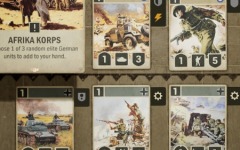
KARDS is a digital card strategy game built around turn-based matches and deck construction. The player represents a military faction and competes against others using units, orders, and resources drawn from a customized deck. Matches focus on positioning, timing, and efficient use of cards rather than rapid actions. Progress is tied to understanding mechanics and adapting strategies across different opponents.
Core Mechanics And Turn Structure
Each match in KARDS follows a structured turn system where players draw cards, manage resources, and deploy units to the battlefield. Cards represent infantry, vehicles, support actions, or tactical orders, each with defined costs and effects. The frontline system determines which units can attack or be attacked, making placement decisions important. Victory is achieved by reducing the opponent’s headquarters health while maintaining control of the board.
Deck Building And Card Roles
Deck construction is a central part of KARDS and determines how a player approaches each match. Cards are organized by faction and rarity, with limits that encourage balanced builds. Synergy between units and orders affects consistency and efficiency during play. Players often refine decks over time based on match outcomes and available cards.
Key deck-building considerations include:
- Unit cost and deployment timing
- Order cards that support or disrupt board state
- Synergy between faction-specific mechanics
- Balance between offense and defense
Progression And Competitive Structure
Progression in KARDS is based on unlocking cards, expanding collections, and participating in ranked or casual modes. Matches reward experience and resources that can be used to acquire new cards. Competitive play emphasizes consistency rather than randomness, as skilled deck management and decision-making influence long-term results. There are no real-time elements, allowing players to focus fully on planning each turn.
Presentation And Match Flow
The visual layout of KARDS is designed to clearly present battlefield information. Card effects, unit positions, and resource levels are displayed without clutter. Matches typically last a moderate amount of time, making them suitable for focused sessions. Animations are brief and serve to clarify outcomes rather than distract from gameplay decisions.
Replay Value And Player Focus
Replay value in KARDS comes from experimenting with different decks, factions, and strategies. Because opponents and card combinations vary, no two matches play out exactly the same. The game suits players who prefer structured strategy and controlled pacing. Its design emphasizes planning, adaptation, and long-term mastery over fast reactions or narrative progression.