-
 Crazygames 2024
-
 Feminization Games
-
 FNAF Unblocked
-
 Play With Friends
-
 Geometry Dash Unblocked
-
 Google Sites Unblocked
-
 GTA Unblocked
-
 Horror Unblocked
-
 Minecraft Unblocked
-
 1v1.LOL
-
 2 Player
-
 ABCya
ABCya
-
 Action
-
 Adventure
-
 Amanda The Adventurer
-
 Among Us
-
 Backrooms
-
 Baldi’s Basics
-
 Bamboozle
-
 Barbie
-
 BeamNG Drive
-
 Best
Best
-
 BitLife
-
 Bleach vs Naruto
-
 Chess
Chess
-
 Chilla's Art
-
 Choo Choo Charles
-
 Creepypasta
-
 Doraemon
-
 DOS
DOS
-
 Driving
-
 Easymath
-
 Evil Nun
-
 Fancade
-
 Farming Simulator
-
 Fighting
-
 FNaF
FNaF
-
 Friday Night Funkin
-
 Friv
Friv
-
 Gacha Life
-
 For Boys
-
 For Girls
-
 For Kids
-
 Garry’s Mod
-
 Garten of Banban
-
 Genshin Impact
-
 Goat Simulator
-
 Granny
-
 GTA
GTA
-
 Happy Wheels
-
 Hello Neighbor
-
 Horror
-
 Hungry Shark
-
 Incredibox
-
 Incredibox Scratch
-
 Indie
Indie
-
 IO Games
-
 Itch.io
-
 Japanese Horror
-
 Jump Force Mugen
-
 Kogama
-
 Lagged
-
 Mahjong
-
 Medical Doctor
-
 Melon Playground
-
 Minecraft
-
 Multiplayer
-
 Multiplayer Unblocked
-
 My Singing Monsters
-
 Nintendo
-
 Old Games
-
 Papa's
-
 PK XD
PK XD
-
 Poki
Poki
-
 Poppy Playtime
-
 Purble Place
-
 Puzzle
-
 Racing
-
 Rainbow Friends
-
 Red Ball
-
 Retro Bowl
-
 Roblox
-
 Sakura School Simulator
-
 Shooting
-
 Skibidi Toilet
-
 Snowmobile
-
 Solar Smash
-
 Sports
-
 Stickman
-
 Summertime Saga
-
 Supermarket Simulator
-
 Survival
-
 Talking Angela
-
 Talking Ben
-
 Talking Tom
-
 That's not my Neighbor
-
 The Amazing Digital Circus
-
 The Baby In Yellow
-
 Play The Pizza Edition Games Online
-
 The Sims
-
 Toca Boca
-
 Toca Life
-
 Touchdown
-
 Unblocked 6969
-
 Play Wobbly Life Games
-
 Retro Unblocked
-
 Sprunki Games
-
 Sprunki Wenda Treatment Games
-
 Stickman Unblocked
-
 Suika Games Online
-
 Unblocked 2024
-
 Unblocked Games 66
-
 Unblocked Games 76
-
 Unblocked Games 77
-
 Unblocked Games at School
-
 Unblocked Games Premium
-
 Unblocked Games World





Advertisement
Waterboy Dispatch
Advertisement

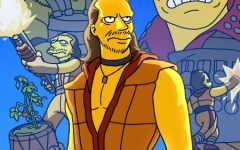
Waterboy Dispatch is a story-driven management game where the player operates from a control center and responds to incoming situations across a city. Instead of direct action, the player makes decisions about assignments, priorities, and communication. Progress depends on understanding character abilities, reading situations correctly, and accepting that outcomes are not always predictable. The game structure combines short operational phases with longer narrative segments.
Dispatch System And Core Loop
The main gameplay loop is built around receiving calls and deciding how to respond to them. Each request contains limited information, forcing the player to assess risk using available data. Assigning the wrong team or delaying a response can lead to consequences that affect later situations. Once a decision is made, the outcome is reported back through dialogue and status updates rather than direct control. This keeps the focus on judgment rather than execution.
Between dispatches, the player interacts with team members and monitors their availability. Characters may become unavailable due to recovery time or narrative events. These limitations require planning across multiple calls rather than solving each event in isolation. The system encourages balancing short-term success with long-term stability.
Characters And Operational Choices
Each character in Waterboy Dispatch has defined traits that influence performance during assignments. These traits are not always numerical and may surface only through repeated use or conversation. The player learns over time how different personalities react to pressure and how they interact with one another. Decisions made during conversations can influence future cooperation.
Common operational considerations include:
- Matching character traits to call requirements
- Managing downtime after completed assignments
- Responding to internal conflicts between team members
- Choosing dialogue options that affect trust
These elements connect narrative and management into a single decision space.
Narrative Progression And Consequences
The story unfolds gradually through mission reports and conversations. Success does not always lead to positive outcomes, and failure does not always block progress. Instead, the narrative adapts to player behavior, presenting altered relationships and new complications. This structure avoids binary win-loss states and focuses on continuity.
As the game progresses, earlier decisions may resurface in unexpected ways. Characters remember previous interactions, and unresolved issues can affect later operations. The pacing allows players to reflect on patterns rather than react under time pressure.