-
 Crazygames 2024
-
 Feminization Games
-
 FNAF Unblocked
-
 Play With Friends
-
 Geometry Dash Unblocked
-
 Google Sites Unblocked
-
 GTA Unblocked
-
 Horror Unblocked
-
 Minecraft Unblocked
-
 1v1.LOL
-
 2 Player
-
 ABCya
ABCya
-
 Action
-
 Adventure
-
 Amanda The Adventurer
-
 Among Us
-
 Backrooms
-
 Baldi’s Basics
-
 Bamboozle
-
 Barbie
-
 BeamNG Drive
-
 Best
Best
-
 BitLife
-
 Bleach vs Naruto
-
 Chess
Chess
-
 Chilla's Art
-
 Choo Choo Charles
-
 Creepypasta
-
 Doraemon
-
 DOS
DOS
-
 Driving
-
 Easymath
-
 Evil Nun
-
 Fancade
-
 Farming Simulator
-
 Fighting
-
 FNaF
FNaF
-
 Friday Night Funkin
-
 Friv
Friv
-
 Gacha Life
-
 For Boys
-
 For Girls
-
 For Kids
-
 Garry’s Mod
-
 Garten of Banban
-
 Genshin Impact
-
 Goat Simulator
-
 Granny
-
 GTA
GTA
-
 Happy Wheels
-
 Hello Neighbor
-
 Horror
-
 Hungry Shark
-
 Incredibox
-
 Incredibox Scratch
-
 Indie
Indie
-
 IO Games
-
 Itch.io
-
 Japanese Horror
-
 Jump Force Mugen
-
 Kogama
-
 Lagged
-
 Mahjong
-
 Medical Doctor
-
 Melon Playground
-
 Minecraft
-
 Multiplayer
-
 Multiplayer Unblocked
-
 My Singing Monsters
-
 Nintendo
-
 Old Games
-
 Papa's
-
 PK XD
PK XD
-
 Poki
Poki
-
 Poppy Playtime
-
 Purble Place
-
 Puzzle
-
 Racing
-
 Rainbow Friends
-
 Red Ball
-
 Retro Bowl
-
 Roblox
-
 Sakura School Simulator
-
 Shooting
-
 Skibidi Toilet
-
 Snowmobile
-
 Solar Smash
-
 Sports
-
 Stickman
-
 Summertime Saga
-
 Supermarket Simulator
-
 Survival
-
 Talking Angela
-
 Talking Ben
-
 Talking Tom
-
 That's not my Neighbor
-
 The Amazing Digital Circus
-
 The Baby In Yellow
-
 Play The Pizza Edition Games Online
-
 The Sims
-
 Toca Boca
-
 Toca Life
-
 Touchdown
-
 Unblocked 6969
-
 Play Wobbly Life Games
-
 Retro Unblocked
-
 Sprunki Games
-
 Sprunki Wenda Treatment Games
-
 Stickman Unblocked
-
 Suika Games Online
-
 Unblocked 2024
-
 Unblocked Games 66
-
 Unblocked Games 76
-
 Unblocked Games 77
-
 Unblocked Games at School
-
 Unblocked Games Premium
-
 Unblocked Games World




Advertisement
The Not-Deer Stew
Advertisement
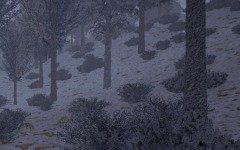
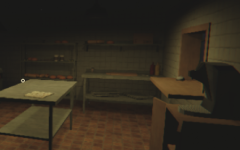
The Not-Deer Stew presents a focused scenario where the player must complete a cooking task while navigating a constrained environment. The experience begins inside a cabin placed in a snow-covered forest, with access to a recipe and basic utensils. The objective is straightforward: gather specific ingredients from outside and prepare the stew correctly. The game avoids extended tutorials and relies on the player to learn through action, repetition, and observation across multiple short attempts.
Environment and Session Structure
The game world is divided into two connected spaces that serve different functions. The cabin acts as a stable workspace where preparation occurs, while the forest contains the resources required to proceed. Movement between these areas defines the pace of each session. There is no persistent progress saved between runs, so every attempt stands on its own. This structure places emphasis on understanding the layout and planning actions efficiently rather than experimenting with long-term systems.
Leaving the cabin always involves a degree of uncertainty. Ingredient locations are consistent, but conditions surrounding them may change depending on timing and player behavior. The game does not indicate safe or unsafe states directly, which requires the player to make judgments based on limited information. This approach turns simple movement and collection into deliberate decisions.
Interaction Loop and Player Tasks
The core gameplay loop is built from a small set of repeated actions that become more demanding when combined. Midway through each session, the player must balance multiple responsibilities at once:
- Checking the recipe for required steps
- Traveling to known ingredient locations
- Carrying items back individually
- Adding ingredients in the correct order
- Monitoring environmental signals
These actions repeat until the stew is completed or the session ends. Failure resets progress, but each attempt increases familiarity with timing and spatial relationships.
Role of Uncertainty
A defining element of The Not-Deer Stew is the presence of an unseen threat that disrupts routine tasks. The game does not explain this element in detail, leaving the player to interpret indirect cues such as sound and movement. This uncertainty changes how players approach even basic actions. Efficiency must be balanced with caution, and hesitation can be as costly as acting too quickly.
Audio, Visuals, and Intent
Visual design is minimal and functional, using lighting, snow, and object placement to communicate space. There are no interface markers guiding the player, which reinforces reliance on memory and observation. Sound design carries practical importance, offering cues that influence movement and timing. Music remains restrained and does not compete with environmental audio.