-
 Crazygames 2024
-
 Feminization Games
-
 FNAF Unblocked
-
 Play With Friends
-
 Geometry Dash Unblocked
-
 Google Sites Unblocked
-
 GTA Unblocked
-
 Horror Unblocked
-
 Minecraft Unblocked
-
 1v1.LOL
-
 2 Player
-
 ABCya
ABCya
-
 Action
-
 Adventure
-
 Amanda The Adventurer
-
 Among Us
-
 Backrooms
-
 Baldi’s Basics
-
 Bamboozle
-
 Barbie
-
 BeamNG Drive
-
 Best
Best
-
 BitLife
-
 Bleach vs Naruto
-
 Chess
Chess
-
 Chilla's Art
-
 Choo Choo Charles
-
 Creepypasta
-
 Doraemon
-
 DOS
DOS
-
 Driving
-
 Easymath
-
 Evil Nun
-
 Fancade
-
 Farming Simulator
-
 Fighting
-
 FNaF
FNaF
-
 Friday Night Funkin
-
 Friv
Friv
-
 Gacha Life
-
 For Boys
-
 For Girls
-
 For Kids
-
 Garry’s Mod
-
 Garten of Banban
-
 Genshin Impact
-
 Goat Simulator
-
 Granny
-
 GTA
GTA
-
 Happy Wheels
-
 Hello Neighbor
-
 Horror
-
 Hungry Shark
-
 Incredibox
-
 Incredibox Scratch
-
 Indie
Indie
-
 IO Games
-
 Itch.io
-
 Japanese Horror
-
 Jump Force Mugen
-
 Kogama
-
 Lagged
-
 Mahjong
-
 Medical Doctor
-
 Melon Playground
-
 Minecraft
-
 Multiplayer
-
 Multiplayer Unblocked
-
 My Singing Monsters
-
 Nintendo
-
 Old Games
-
 Papa's
-
 PK XD
PK XD
-
 Poki
Poki
-
 Poppy Playtime
-
 Purble Place
-
 Puzzle
-
 Racing
-
 Rainbow Friends
-
 Red Ball
-
 Retro Bowl
-
 Roblox
-
 Sakura School Simulator
-
 Shooting
-
 Skibidi Toilet
-
 Snowmobile
-
 Solar Smash
-
 Sports
-
 Stickman
-
 Summertime Saga
-
 Supermarket Simulator
-
 Survival
-
 Talking Angela
-
 Talking Ben
-
 Talking Tom
-
 That's not my Neighbor
-
 The Amazing Digital Circus
-
 The Baby In Yellow
-
 Play The Pizza Edition Games Online
-
 The Sims
-
 Toca Boca
-
 Toca Life
-
 Touchdown
-
 Unblocked 6969
-
 Play Wobbly Life Games
-
 Retro Unblocked
-
 Sprunki Games
-
 Sprunki Wenda Treatment Games
-
 Stickman Unblocked
-
 Suika Games Online
-
 Unblocked 2024
-
 Unblocked Games 66
-
 Unblocked Games 76
-
 Unblocked Games 77
-
 Unblocked Games at School
-
 Unblocked Games Premium
-
 Unblocked Games World





Advertisement
Super Fantasy Kingdom
Advertisement
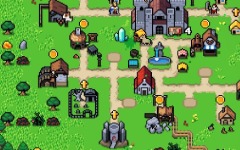
Super Fantasy Kingdom is a management and strategy game focused on building, defending, and expanding a small medieval settlement. The player takes control of a kingdom that must grow through resource management, population planning, and military preparation. Progress is continuous rather than goal-based, with each decision affecting stability and growth over time. The game frames leadership as a balance between economic development and defensive readiness rather than direct conquest.
Kingdom Structure And Resource Flow
The foundation of Super Fantasy Kingdom is a tile-based kingdom layout where buildings generate resources, house citizens, or support defense. Wood, stone, food, and gold form the core resource loop, and shortages in one area can slow overall progress. Buildings must be placed carefully to maximize efficiency and accessibility. Expansion introduces new land but also increases maintenance pressure, requiring steady planning instead of rapid growth.
As the settlement grows, population management becomes more complex. Citizens are assigned roles automatically based on available structures, linking workforce distribution directly to city layout. This system encourages incremental expansion, as building too quickly can create imbalance between housing, production, and defense.
Defense Systems And Threat Cycles
Threats in Super Fantasy Kingdom arrive in periodic waves rather than constant pressure. Enemies approach the settlement from the outskirts, testing the effectiveness of walls, towers, and unit placement. Defensive structures must be upgraded and positioned to cover key routes. Combat outcomes depend more on preparation than reaction, reinforcing the importance of foresight.
During the middle stages of play, players frequently focus on the following tasks:
- Expanding production buildings to stabilize resources
- Assigning land for housing and population growth
- Building walls and towers along exposed borders
- Upgrading defenses before incoming threat cycles
- Balancing economy against military investment
Progression And Strategic Expansion
Progression in Super Fantasy Kingdom is driven by unlocking new building types and defensive options. These additions increase strategic depth without replacing earlier systems. The player must decide when to expand territory and when to reinforce existing structures. Poor timing can expose weaknesses, while cautious expansion supports long-term stability.
As the kingdom reaches later stages, systems begin to overlap more tightly. Resource chains become longer, and defensive planning requires broader coverage. Earlier decisions about layout and zoning influence how efficiently the kingdom can adapt to increased pressure. The game does not reset mistakes easily, reinforcing the value of consistent planning.