-
 Crazygames 2024
-
 Feminization Games
-
 FNAF Unblocked
-
 Play With Friends
-
 Geometry Dash Unblocked
-
 Google Sites Unblocked
-
 GTA Unblocked
-
 Horror Unblocked
-
 Minecraft Unblocked
-
 1v1.LOL
-
 2 Player
-
 ABCya
ABCya
-
 Action
-
 Adventure
-
 Amanda The Adventurer
-
 Among Us
-
 Backrooms
-
 Baldi’s Basics
-
 Bamboozle
-
 Barbie
-
 BeamNG Drive
-
 Best
Best
-
 BitLife
-
 Bleach vs Naruto
-
 Chess
Chess
-
 Chilla's Art
-
 Choo Choo Charles
-
 Creepypasta
-
 Doraemon
-
 DOS
DOS
-
 Driving
-
 Easymath
-
 Evil Nun
-
 Fancade
-
 Farming Simulator
-
 Fighting
-
 FNaF
FNaF
-
 Friday Night Funkin
-
 Friv
Friv
-
 Gacha Life
-
 For Boys
-
 For Girls
-
 For Kids
-
 Garry’s Mod
-
 Garten of Banban
-
 Genshin Impact
-
 Goat Simulator
-
 Granny
-
 GTA
GTA
-
 Happy Wheels
-
 Hello Neighbor
-
 Horror
-
 Hungry Shark
-
 Incredibox
-
 Incredibox Scratch
-
 Indie
Indie
-
 IO Games
-
 Itch.io
-
 Japanese Horror
-
 Jump Force Mugen
-
 Kogama
-
 Lagged
-
 Mahjong
-
 Medical Doctor
-
 Melon Playground
-
 Minecraft
-
 Multiplayer
-
 Multiplayer Unblocked
-
 My Singing Monsters
-
 Nintendo
-
 Old Games
-
 Papa's
-
 PK XD
PK XD
-
 Poki
Poki
-
 Poppy Playtime
-
 Purble Place
-
 Puzzle
-
 Racing
-
 Rainbow Friends
-
 Red Ball
-
 Retro Bowl
-
 Roblox
-
 Sakura School Simulator
-
 Shooting
-
 Skibidi Toilet
-
 Snowmobile
-
 Solar Smash
-
 Sports
-
 Stickman
-
 Summertime Saga
-
 Supermarket Simulator
-
 Survival
-
 Talking Angela
-
 Talking Ben
-
 Talking Tom
-
 That's not my Neighbor
-
 The Amazing Digital Circus
-
 The Baby In Yellow
-
 Play The Pizza Edition Games Online
-
 The Sims
-
 Toca Boca
-
 Toca Life
-
 Touchdown
-
 Unblocked 6969
-
 Play Wobbly Life Games
-
 Retro Unblocked
-
 Sprunki Games
-
 Sprunki Wenda Treatment Games
-
 Stickman Unblocked
-
 Suika Games Online
-
 Unblocked 2024
-
 Unblocked Games 66
-
 Unblocked Games 76
-
 Unblocked Games 77
-
 Unblocked Games at School
-
 Unblocked Games Premium
-
 Unblocked Games World




Advertisement
SatisBox
Advertisement

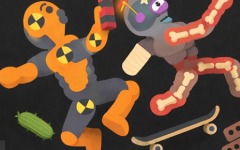
Satisbox is a casual puzzle game built around short interactive tasks that focus on organizing, cleaning, and manipulating objects. Instead of following a single storyline or long missions, the game presents a sequence of small challenges that can be completed quickly. Each activity is designed to give immediate visual feedback as the player interacts with objects on the screen. The main idea is to complete simple goals such as arranging items, trimming objects, or popping elements in the correct order.
Collection Of Mini Challenges
The structure of Satisbox is based on many small mini-games placed inside a single interface. Each mini-game introduces a short objective that can usually be completed within a few moments. The player receives a clear instruction and then performs the required action using the mouse or touch controls. These tasks often involve moving items into the correct position or interacting with objects until the screen becomes organized.
Because each level is short, players can quickly move from one challenge to another. This structure encourages repeated play sessions where users attempt different activities without spending a long time on a single level.
Interaction And Controls
The gameplay relies on simple input methods that allow players to interact directly with objects. Most tasks require only tapping, dragging, or swiping across the screen. The goal is usually to complete the action with precision so the level can finish successfully.
Typical gameplay actions include:
- dragging objects to place them in correct positions
- tapping elements to activate interactions
- sliding items across the screen to organize them
- cutting or removing parts of objects
- completing short tasks to unlock new mini-games
These actions create a consistent system that is easy to understand.
Progression Through Levels
As players advance through Satisbox, the game introduces additional variations of puzzles. Later challenges may combine several mechanics within the same level. For example, a task might require sorting items and then performing a second action to complete the objective. The progression system gradually increases complexity while maintaining short play sessions.
Visual and audio feedback also plays a role in the experience. Many actions produce small animations or sound effects that confirm the player’s interaction with the objects. This feedback helps communicate when the action has been completed successfully.