-
 Crazygames 2024
-
 Feminization Games
-
 FNAF Unblocked
-
 Play With Friends
-
 Geometry Dash Unblocked
-
 Google Sites Unblocked
-
 GTA Unblocked
-
 Horror Unblocked
-
 Minecraft Unblocked
-
 1v1.LOL
-
 2 Player
-
 ABCya
ABCya
-
 Action
-
 Adventure
-
 Amanda The Adventurer
-
 Among Us
-
 Backrooms
-
 Baldi’s Basics
-
 Bamboozle
-
 Barbie
-
 BeamNG Drive
-
 Best
Best
-
 BitLife
-
 Bleach vs Naruto
-
 Chess
Chess
-
 Chilla's Art
-
 Choo Choo Charles
-
 Creepypasta
-
 Doraemon
-
 DOS
DOS
-
 Driving
-
 Easymath
-
 Evil Nun
-
 Fancade
-
 Farming Simulator
-
 Fighting
-
 FNaF
FNaF
-
 Friday Night Funkin
-
 Friv
Friv
-
 Gacha Life
-
 For Boys
-
 For Girls
-
 For Kids
-
 Garry’s Mod
-
 Garten of Banban
-
 Genshin Impact
-
 Goat Simulator
-
 Granny
-
 GTA
GTA
-
 Happy Wheels
-
 Hello Neighbor
-
 Horror
-
 Hungry Shark
-
 Incredibox
-
 Incredibox Scratch
-
 Indie
Indie
-
 IO Games
-
 Itch.io
-
 Japanese Horror
-
 Jump Force Mugen
-
 Kogama
-
 Lagged
-
 Mahjong
-
 Medical Doctor
-
 Melon Playground
-
 Minecraft
-
 Multiplayer
-
 Multiplayer Unblocked
-
 My Singing Monsters
-
 Nintendo
-
 Old Games
-
 Papa's
-
 PK XD
PK XD
-
 Poki
Poki
-
 Poppy Playtime
-
 Purble Place
-
 Puzzle
-
 Racing
-
 Rainbow Friends
-
 Red Ball
-
 Retro Bowl
-
 Roblox
-
 Sakura School Simulator
-
 Shooting
-
 Skibidi Toilet
-
 Snowmobile
-
 Solar Smash
-
 Sports
-
 Stickman
-
 Summertime Saga
-
 Supermarket Simulator
-
 Survival
-
 Talking Angela
-
 Talking Ben
-
 Talking Tom
-
 That's not my Neighbor
-
 The Amazing Digital Circus
-
 The Baby In Yellow
-
 Play The Pizza Edition Games Online
-
 The Sims
-
 Toca Boca
-
 Toca Life
-
 Touchdown
-
 Unblocked 6969
-
 Play Wobbly Life Games
-
 Retro Unblocked
-
 Sprunki Games
-
 Sprunki Wenda Treatment Games
-
 Stickman Unblocked
-
 Suika Games Online
-
 Unblocked 2024
-
 Unblocked Games 66
-
 Unblocked Games 76
-
 Unblocked Games 77
-
 Unblocked Games at School
-
 Unblocked Games Premium
-
 Unblocked Games World




Advertisement
My Voice Zoo 2
Advertisement
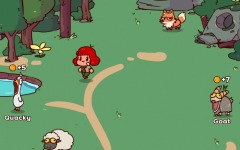
My Voice Zoo 2 is an interactive game that combines voice input with simple puzzle mechanics. The main idea of the game is to use the player’s microphone to control actions inside the environment. Instead of relying only on keyboard or mouse input, the game reacts to sounds made by the player. These sounds can influence objects, trigger events, or interact with characters inside the virtual zoo setting. The concept focuses on using voice as the primary method of interaction.
Voice-Based Gameplay
In My Voice Zoo 2, the player navigates through a series of areas connected to a zoo environment. Each section contains animals, objects, or small challenges that respond to sound input. When the player speaks, sings, or makes noise into the microphone, the game analyzes the volume or pitch and converts it into in-game actions.
For example, certain obstacles may move when the player produces louder sounds, while other elements may react to quieter or more controlled input. This system encourages players to experiment with different vocal sounds in order to progress through the game.
Interactive Activities
The gameplay structure includes a variety of small tasks that must be completed using the voice control system. Each challenge introduces slightly different interactions between sound and the game environment.
Typical gameplay activities include:
- producing sounds to activate mechanisms
- guiding characters or animals using voice input
- solving small puzzles inside zoo locations
- adjusting volume or pitch to trigger actions
- completing stages to unlock new areas
These activities create a unique control system where the player’s voice becomes the main tool.
Exploration And Progression
As players complete tasks in My Voice Zoo 2, additional areas of the zoo become available. These locations may introduce new animals or objects that react differently to sound input. Each new stage gradually expands the range of challenges presented to the player.
The game encourages experimentation with different types of sounds. Some puzzles require quick bursts of noise, while others require steady or controlled input. Because of this design, players must pay attention to how their voice affects the environment.