-
 Crazygames 2024
-
 Feminization Games
-
 FNAF Unblocked
-
 Play With Friends
-
 Geometry Dash Unblocked
-
 Google Sites Unblocked
-
 GTA Unblocked
-
 Horror Unblocked
-
 Minecraft Unblocked
-
 1v1.LOL
-
 2 Player
-
 ABCya
ABCya
-
 Action
-
 Adventure
-
 Amanda The Adventurer
-
 Among Us
-
 Backrooms
-
 Baldi’s Basics
-
 Bamboozle
-
 Barbie
-
 BeamNG Drive
-
 Best
Best
-
 BitLife
-
 Bleach vs Naruto
-
 Chess
Chess
-
 Chilla's Art
-
 Choo Choo Charles
-
 Creepypasta
-
 Doraemon
-
 DOS
DOS
-
 Driving
-
 Easymath
-
 Evil Nun
-
 Fancade
-
 Farming Simulator
-
 Fighting
-
 FNaF
FNaF
-
 Friday Night Funkin
-
 Friv
Friv
-
 Gacha Life
-
 For Boys
-
 For Girls
-
 For Kids
-
 Garry’s Mod
-
 Garten of Banban
-
 Genshin Impact
-
 Goat Simulator
-
 Granny
-
 GTA
GTA
-
 Happy Wheels
-
 Hello Neighbor
-
 Horror
-
 Hungry Shark
-
 Incredibox
-
 Incredibox Scratch
-
 Indie
Indie
-
 IO Games
-
 Itch.io
-
 Japanese Horror
-
 Jump Force Mugen
-
 Kogama
-
 Lagged
-
 Mahjong
-
 Medical Doctor
-
 Melon Playground
-
 Minecraft
-
 Multiplayer
-
 Multiplayer Unblocked
-
 My Singing Monsters
-
 Nintendo
-
 Old Games
-
 Papa's
-
 PK XD
PK XD
-
 Poki
Poki
-
 Poppy Playtime
-
 Purble Place
-
 Puzzle
-
 Racing
-
 Rainbow Friends
-
 Red Ball
-
 Retro Bowl
-
 Roblox
-
 Sakura School Simulator
-
 Shooting
-
 Skibidi Toilet
-
 Snowmobile
-
 Solar Smash
-
 Sports
-
 Stickman
-
 Summertime Saga
-
 Supermarket Simulator
-
 Survival
-
 Talking Angela
-
 Talking Ben
-
 Talking Tom
-
 That's not my Neighbor
-
 The Amazing Digital Circus
-
 The Baby In Yellow
-
 Play The Pizza Edition Games Online
-
 The Sims
-
 Toca Boca
-
 Toca Life
-
 Touchdown
-
 Unblocked 6969
-
 Play Wobbly Life Games
-
 Retro Unblocked
-
 Sprunki Games
-
 Sprunki Wenda Treatment Games
-
 Stickman Unblocked
-
 Suika Games Online
-
 Unblocked 2024
-
 Unblocked Games 66
-
 Unblocked Games 76
-
 Unblocked Games 77
-
 Unblocked Games at School
-
 Unblocked Games Premium
-
 Unblocked Games World




Advertisement
My Voice Zoo
Advertisement
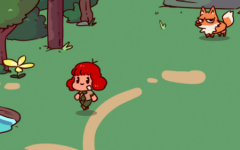
My Voice Zoo is a casual simulation game built around interaction through sound. Instead of using traditional controls alone, the player actively participates by recording their own voice, which becomes part of the gameplay. Each recorded sound is assigned to an animal, turning the zoo into a collection shaped by the player’s input. The game focuses on gradual progress, creativity, and simple management mechanics rather than complex systems or fast-paced challenges.
Voice-Based Interaction
The core mechanic of My Voice Zoo revolves around voice recording. When a player records a sound, it is transformed into an animal’s call and stored in the zoo. These sounds are replayed during gameplay and are directly tied to resource generation. The louder or more varied the recordings, the more distinctive the animals become. This system allows players to experiment freely, using speech, tones, or even simple noises to influence how the zoo functions. Unlike traditional simulators, the game does not rely on predefined sound effects, making each zoo unique.
As players continue, they unlock additional animals and spaces. Progress depends on how effectively the player manages recordings and upgrades. Over time, the zoo expands and becomes more active, reflecting the player’s earlier choices.
The main systems that shape gameplay include:
- Recording and assigning voice clips
- Unlocking new animals through progression
- Expanding zoo areas
- Managing passive income generation
- Upgrading animals to increase output
These elements form a loop that combines creativity with steady advancement.
Progress and Management
Beyond recording sounds, My Voice Zoo functions as an idle management game. Animals generate income automatically, allowing progress even when the player is inactive. This makes the game suitable for short sessions or background play. Strategic choices come into play when deciding which animals to upgrade and how to invest resources for long-term efficiency.
The pacing remains steady, encouraging experimentation rather than optimization. There are no strict penalties for mistakes, allowing players to explore different approaches without pressure. The focus stays on gradual development rather than competition or score chasing.