-
 Crazygames 2024
-
 Feminization Games
-
 FNAF Unblocked
-
 Play With Friends
-
 Geometry Dash Unblocked
-
 Google Sites Unblocked
-
 GTA Unblocked
-
 Horror Unblocked
-
 Minecraft Unblocked
-
 1v1.LOL
-
 2 Player
-
 ABCya
ABCya
-
 Action
-
 Adventure
-
 Amanda The Adventurer
-
 Among Us
-
 Backrooms
-
 Baldi’s Basics
-
 Bamboozle
-
 Barbie
-
 BeamNG Drive
-
 Best
Best
-
 BitLife
-
 Bleach vs Naruto
-
 Chess
Chess
-
 Chilla's Art
-
 Choo Choo Charles
-
 Creepypasta
-
 Doraemon
-
 DOS
DOS
-
 Driving
-
 Easymath
-
 Evil Nun
-
 Fancade
-
 Farming Simulator
-
 Fighting
-
 FNaF
FNaF
-
 Friday Night Funkin
-
 Friv
Friv
-
 Gacha Life
-
 For Boys
-
 For Girls
-
 For Kids
-
 Garry’s Mod
-
 Garten of Banban
-
 Genshin Impact
-
 Goat Simulator
-
 Granny
-
 GTA
GTA
-
 Happy Wheels
-
 Hello Neighbor
-
 Horror
-
 Hungry Shark
-
 Incredibox
-
 Incredibox Scratch
-
 Indie
Indie
-
 IO Games
-
 Itch.io
-
 Japanese Horror
-
 Jump Force Mugen
-
 Kogama
-
 Lagged
-
 Mahjong
-
 Medical Doctor
-
 Melon Playground
-
 Minecraft
-
 Multiplayer
-
 Multiplayer Unblocked
-
 My Singing Monsters
-
 Nintendo
-
 Old Games
-
 Papa's
-
 PK XD
PK XD
-
 Poki
Poki
-
 Poppy Playtime
-
 Purble Place
-
 Puzzle
-
 Racing
-
 Rainbow Friends
-
 Red Ball
-
 Retro Bowl
-
 Roblox
-
 Sakura School Simulator
-
 Shooting
-
 Skibidi Toilet
-
 Snowmobile
-
 Solar Smash
-
 Sports
-
 Stickman
-
 Summertime Saga
-
 Supermarket Simulator
-
 Survival
-
 Talking Angela
-
 Talking Ben
-
 Talking Tom
-
 That's not my Neighbor
-
 The Amazing Digital Circus
-
 The Baby In Yellow
-
 Play The Pizza Edition Games Online
-
 The Sims
-
 Toca Boca
-
 Toca Life
-
 Touchdown
-
 Unblocked 6969
-
 Play Wobbly Life Games
-
 Retro Unblocked
-
 Sprunki Games
-
 Sprunki Wenda Treatment Games
-
 Stickman Unblocked
-
 Suika Games Online
-
 Unblocked 2024
-
 Unblocked Games 66
-
 Unblocked Games 76
-
 Unblocked Games 77
-
 Unblocked Games at School
-
 Unblocked Games Premium
-
 Unblocked Games World





Advertisement
MISERY
Advertisement
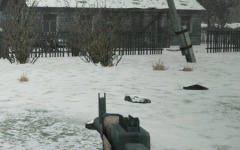
MISERY is a survival game centered on endurance, preparation, and decision-making within a hostile post-disaster environment. The player operates from a secure shelter that serves as both a refuge and a planning space for expeditions into dangerous surrounding areas. Progress is not driven by a fixed narrative but by the need to maintain supplies, manage risk, and survive repeated exposure to unstable conditions. Each session reinforces the idea that survival depends on planning rather than reaction.
Environment And Survival Conditions
The world of MISERY is structured around hazardous zones shaped by environmental threats. Locations outside the shelter contain abandoned structures, open wastelands, and confined interiors that must be searched carefully. Radiation, limited visibility, and unpredictable dangers influence how long the player can remain outside. Navigation is deliberate, as movement choices directly affect resource consumption and exposure. The environment does not reset to favor the player, making familiarity with terrain an important factor over time.
Exploration And Resource Gathering
Exploration in MISERY is closely tied to risk management. Every trip outside the shelter involves weighing potential gains against survival costs. Supplies are finite, and carrying capacity is limited, forcing prioritization. Returning safely is often more important than collecting everything available. The game encourages route planning and gradual expansion of explored areas instead of reckless exploration.
During the central gameplay loop, players frequently focus on the following actions:
- Scavenging for food, water, and medical supplies
- Collecting materials for crafting and repairs
- Monitoring radiation and exposure levels
- Choosing when to retreat to avoid losses
- Storing and organizing recovered resources
Shelter Management And Preparation
The shelter functions as the operational center in MISERY. Here, players manage storage, craft tools, and prepare equipment for future expeditions. Upgrades improve efficiency and reduce risk, but they require investment of scarce materials. Time spent inside the shelter is used to plan routes, evaluate inventory, and recover from previous outings. This cycle reinforces the importance of preparation before venturing out again.