-
 Crazygames 2024
-
 Feminization Games
-
 FNAF Unblocked
-
 Play With Friends
-
 Geometry Dash Unblocked
-
 Google Sites Unblocked
-
 GTA Unblocked
-
 Horror Unblocked
-
 Minecraft Unblocked
-
 1v1.LOL
-
 2 Player
-
 ABCya
ABCya
-
 Action
-
 Adventure
-
 Amanda The Adventurer
-
 Among Us
-
 Backrooms
-
 Baldi’s Basics
-
 Bamboozle
-
 Barbie
-
 BeamNG Drive
-
 Best
Best
-
 BitLife
-
 Bleach vs Naruto
-
 Chess
Chess
-
 Chilla's Art
-
 Choo Choo Charles
-
 Creepypasta
-
 Doraemon
-
 DOS
DOS
-
 Driving
-
 Easymath
-
 Evil Nun
-
 Fancade
-
 Farming Simulator
-
 Fighting
-
 FNaF
FNaF
-
 Friday Night Funkin
-
 Friv
Friv
-
 Gacha Life
-
 For Boys
-
 For Girls
-
 For Kids
-
 Garry’s Mod
-
 Garten of Banban
-
 Genshin Impact
-
 Goat Simulator
-
 Granny
-
 GTA
GTA
-
 Happy Wheels
-
 Hello Neighbor
-
 Horror
-
 Hungry Shark
-
 Incredibox
-
 Incredibox Scratch
-
 Indie
Indie
-
 IO Games
-
 Itch.io
-
 Japanese Horror
-
 Jump Force Mugen
-
 Kogama
-
 Lagged
-
 Mahjong
-
 Medical Doctor
-
 Melon Playground
-
 Minecraft
-
 Multiplayer
-
 Multiplayer Unblocked
-
 My Singing Monsters
-
 Nintendo
-
 Old Games
-
 Papa's
-
 PK XD
PK XD
-
 Poki
Poki
-
 Poppy Playtime
-
 Purble Place
-
 Puzzle
-
 Racing
-
 Rainbow Friends
-
 Red Ball
-
 Retro Bowl
-
 Roblox
-
 Sakura School Simulator
-
 Shooting
-
 Skibidi Toilet
-
 Snowmobile
-
 Solar Smash
-
 Sports
-
 Stickman
-
 Summertime Saga
-
 Supermarket Simulator
-
 Survival
-
 Talking Angela
-
 Talking Ben
-
 Talking Tom
-
 That's not my Neighbor
-
 The Amazing Digital Circus
-
 The Baby In Yellow
-
 Play The Pizza Edition Games Online
-
 The Sims
-
 Toca Boca
-
 Toca Life
-
 Touchdown
-
 Unblocked 6969
-
 Play Wobbly Life Games
-
 Retro Unblocked
-
 Sprunki Games
-
 Sprunki Wenda Treatment Games
-
 Stickman Unblocked
-
 Suika Games Online
-
 Unblocked 2024
-
 Unblocked Games 66
-
 Unblocked Games 76
-
 Unblocked Games 77
-
 Unblocked Games at School
-
 Unblocked Games Premium
-
 Unblocked Games World



Advertisement
Kingdom Of Marionettes
Advertisement

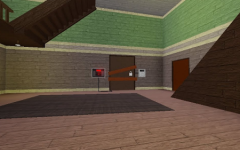
Kingdom Of Marionettes is a narrative horror title where the player takes on a job inside a puppet theater during night shifts. The gameplay is structured around routine tasks that gradually become less predictable. Instead of direct threats or action systems, the game focuses on observation, dialogue, and decision-making. Each shift introduces new variations in events, creating a progression that depends on player choices rather than mechanical skill.
Gameplay Structure And Logic
The main loop consists of moving between rooms, interacting with objects, and responding to characters. Dialogue choices act as the primary control mechanism, influencing how scenes develop. Some options may seem minor but can affect later outcomes or unlock different sequences.
The pacing is intentionally slow. Players are expected to read, analyze situations, and react accordingly. There are no time limits or fast inputs, which shifts the focus toward interpretation rather than execution.
Location Design And Progression
The setting remains confined to the interior of the theater. The layout does not change significantly, but the content within each space evolves. This includes altered lighting, new interactions, and different character positions.
- Stable environment with controlled updates
- Shift-based progression system
- Events triggered by interaction
- Limited navigation to maintain focus
- Gradual introduction of new elements
Character Behavior And Dialogue
Characters are central to the experience and function as both narrative drivers and sources of tension. Their reactions depend on player input, creating variability across playthroughs. Dialogue branches provide multiple ways to approach each interaction.
The system tracks decisions over time, meaning that earlier choices can influence later conversations. This creates a layered structure where outcomes are determined by accumulated actions rather than single events.
Tone And Presentation
The game builds atmosphere through subtle changes rather than constant intensity. Dialogue, sound cues, and visual adjustments contribute to a sense of instability. Certain moments interrupt routine patterns, forcing the player to reassess expectations.
Mature themes are present and integrated into character interactions. These elements are part of the narrative framework and influence how the story develops.
Replayability And Outcomes
The game includes multiple endings that depend on player decisions. Exploring different dialogue paths allows access to alternative scenes and interpretations of the story.
Replayability is supported by the branching structure. Players can revisit earlier segments to test different choices, revealing additional content without changing the overall gameplay format.