-
 Crazygames 2024
-
 Feminization Games
-
 FNAF Unblocked
-
 Play With Friends
-
 Geometry Dash Unblocked
-
 Google Sites Unblocked
-
 GTA Unblocked
-
 Horror Unblocked
-
 Minecraft Unblocked
-
 1v1.LOL
-
 2 Player
-
 ABCya
ABCya
-
 Action
-
 Adventure
-
 Amanda The Adventurer
-
 Among Us
-
 Backrooms
-
 Baldi’s Basics
-
 Bamboozle
-
 Barbie
-
 BeamNG Drive
-
 Best
Best
-
 BitLife
-
 Bleach vs Naruto
-
 Chess
Chess
-
 Chilla's Art
-
 Choo Choo Charles
-
 Creepypasta
-
 Doraemon
-
 DOS
DOS
-
 Driving
-
 Easymath
-
 Evil Nun
-
 Fancade
-
 Farming Simulator
-
 Fighting
-
 FNaF
FNaF
-
 Friday Night Funkin
-
 Friv
Friv
-
 Gacha Life
-
 For Boys
-
 For Girls
-
 For Kids
-
 Garry’s Mod
-
 Garten of Banban
-
 Genshin Impact
-
 Goat Simulator
-
 Granny
-
 GTA
GTA
-
 Happy Wheels
-
 Hello Neighbor
-
 Horror
-
 Hungry Shark
-
 Incredibox
-
 Incredibox Scratch
-
 Indie
Indie
-
 IO Games
-
 Itch.io
-
 Japanese Horror
-
 Jump Force Mugen
-
 Kogama
-
 Lagged
-
 Mahjong
-
 Medical Doctor
-
 Melon Playground
-
 Minecraft
-
 Multiplayer
-
 Multiplayer Unblocked
-
 My Singing Monsters
-
 Nintendo
-
 Old Games
-
 Papa's
-
 PK XD
PK XD
-
 Poki
Poki
-
 Poppy Playtime
-
 Purble Place
-
 Puzzle
-
 Racing
-
 Rainbow Friends
-
 Red Ball
-
 Retro Bowl
-
 Roblox
-
 Sakura School Simulator
-
 Shooting
-
 Skibidi Toilet
-
 Snowmobile
-
 Solar Smash
-
 Sports
-
 Stickman
-
 Summertime Saga
-
 Supermarket Simulator
-
 Survival
-
 Talking Angela
-
 Talking Ben
-
 Talking Tom
-
 That's not my Neighbor
-
 The Amazing Digital Circus
-
 The Baby In Yellow
-
 Play The Pizza Edition Games Online
-
 The Sims
-
 Toca Boca
-
 Toca Life
-
 Touchdown
-
 Unblocked 6969
-
 Play Wobbly Life Games
-
 Retro Unblocked
-
 Sprunki Games
-
 Sprunki Wenda Treatment Games
-
 Stickman Unblocked
-
 Suika Games Online
-
 Unblocked 2024
-
 Unblocked Games 66
-
 Unblocked Games 76
-
 Unblocked Games 77
-
 Unblocked Games at School
-
 Unblocked Games Premium
-
 Unblocked Games World




Advertisement
Imposter
Advertisement

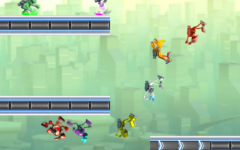
Imposter is a multiplayer social deduction game built around short matches and hidden roles. Each session places players in a shared environment where most participants work toward common objectives while one or more players act against the group. The core tension comes from limited information, indirect interaction, and uncertainty about other players’ intentions. Progress is measured by completing tasks or identifying the opposing role rather than by long-term character growth.
Match Structure And Player Roles
At the start of each match in Imposter, players are assigned roles without public disclosure. Most players receive cooperative objectives that require movement across the map and interaction with specific locations. A smaller number of players receive a disruptive role with the ability to interfere and eliminate others. The map layout supports both task completion and covert movement, making positioning and timing important. Rounds are short, encouraging repeated play and rapid adaptation.
Tasks And Information Flow
Tasks in Imposter function as a way to occupy cooperative players and provide structure to the match. Completing them contributes to a shared goal but also forces players to separate, creating opportunities for interference. Information is fragmented, and players rely on observation rather than system feedback. Visual cues, movement patterns, and timing all contribute to suspicion or trust during play. Communication phases allow players to compare observations and form temporary alliances.
Common task and interaction elements include:
- Movement-based objectives tied to specific map locations
- Limited vision that restricts awareness
- Timed meetings where players discuss observations
- Voting systems used to remove suspected players
Communication And Decision Making
Discussion phases are central to Imposter and shift the focus from movement to reasoning. Players must decide what information to share, what to withhold, and how to interpret statements from others. There is no external verification of claims, so outcomes depend on collective judgment. Mistakes can remove cooperative players or allow disruptive roles to continue operating, directly affecting the match result.
Progression And Replay Structure
Imposter does not rely on traditional progression systems such as leveling or upgrades. Each match resets conditions, ensuring equal starting positions. Replay value comes from changing group dynamics, map familiarity, and player behavior rather than mechanical growth. Different group sizes and role distributions alter pacing and strategy, keeping sessions varied even with the same rules.