-
 Crazygames 2024
-
 Feminization Games
-
 FNAF Unblocked
-
 Play With Friends
-
 Geometry Dash Unblocked
-
 Google Sites Unblocked
-
 GTA Unblocked
-
 Horror Unblocked
-
 Minecraft Unblocked
-
 1v1.LOL
-
 2 Player
-
 ABCya
ABCya
-
 Action
-
 Adventure
-
 Amanda The Adventurer
-
 Among Us
-
 Backrooms
-
 Baldi’s Basics
-
 Bamboozle
-
 Barbie
-
 BeamNG Drive
-
 Best
Best
-
 BitLife
-
 Bleach vs Naruto
-
 Chess
Chess
-
 Chilla's Art
-
 Choo Choo Charles
-
 Creepypasta
-
 Doraemon
-
 DOS
DOS
-
 Driving
-
 Easymath
-
 Evil Nun
-
 Fancade
-
 Farming Simulator
-
 Fighting
-
 FNaF
FNaF
-
 Friday Night Funkin
-
 Friv
Friv
-
 Gacha Life
-
 For Boys
-
 For Girls
-
 For Kids
-
 Garry’s Mod
-
 Garten of Banban
-
 Genshin Impact
-
 Goat Simulator
-
 Granny
-
 GTA
GTA
-
 Happy Wheels
-
 Hello Neighbor
-
 Horror
-
 Hungry Shark
-
 Incredibox
-
 Incredibox Scratch
-
 Indie
Indie
-
 IO Games
-
 Itch.io
-
 Japanese Horror
-
 Jump Force Mugen
-
 Kogama
-
 Lagged
-
 Mahjong
-
 Medical Doctor
-
 Melon Playground
-
 Minecraft
-
 Multiplayer
-
 Multiplayer Unblocked
-
 My Singing Monsters
-
 Nintendo
-
 Old Games
-
 Papa's
-
 PK XD
PK XD
-
 Poki
Poki
-
 Poppy Playtime
-
 Purble Place
-
 Puzzle
-
 Racing
-
 Rainbow Friends
-
 Red Ball
-
 Retro Bowl
-
 Roblox
-
 Sakura School Simulator
-
 Shooting
-
 Skibidi Toilet
-
 Snowmobile
-
 Solar Smash
-
 Sports
-
 Stickman
-
 Summertime Saga
-
 Supermarket Simulator
-
 Survival
-
 Talking Angela
-
 Talking Ben
-
 Talking Tom
-
 That's not my Neighbor
-
 The Amazing Digital Circus
-
 The Baby In Yellow
-
 Play The Pizza Edition Games Online
-
 The Sims
-
 Toca Boca
-
 Toca Life
-
 Touchdown
-
 Unblocked 6969
-
 Play Wobbly Life Games
-
 Retro Unblocked
-
 Sprunki Games
-
 Sprunki Wenda Treatment Games
-
 Stickman Unblocked
-
 Suika Games Online
-
 Unblocked 2024
-
 Unblocked Games 66
-
 Unblocked Games 76
-
 Unblocked Games 77
-
 Unblocked Games at School
-
 Unblocked Games Premium
-
 Unblocked Games World



Advertisement
Ben And Ed
Advertisement

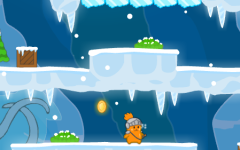
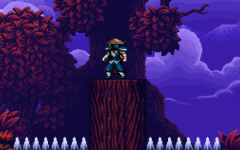
Ben And Ed is a physics-based platform game where the player controls a zombie character moving through a sequence of obstacle-driven levels. The gameplay is focused on reaching the end of each stage while avoiding traps and environmental hazards. The third-person perspective allows clear visibility of obstacles, which is necessary for planning movement and timing actions. Each level is designed to test control and consistency rather than exploration.
Control And Physics System
Movement in Ben And Ed is influenced by physics, which affects how the character reacts to jumps, falls, and collisions. Players must adjust timing and direction carefully to maintain control. Even small mistakes in positioning can lead to contact with hazards, requiring repeated attempts.
The character’s condition changes when taking damage. Losing limbs alters movement capabilities, forcing the player to adapt to reduced control. This mechanic creates variation in gameplay, as the same section may require a different approach depending on the character’s state.
Obstacle Design And Timing
Levels are constructed with sequences of traps that require precise timing. These include rotating blades, moving platforms, and pressure-based mechanisms. Each obstacle has a predictable pattern, but combining multiple hazards increases difficulty.
Key gameplay elements include:
- navigating environments with timed obstacles
- maintaining balance and direction during movement
- reacting quickly to hazard patterns
- continuing gameplay after partial damage
- reaching checkpoints and final exits
These systems form the structure of each level.
Checkpoints And Progress Flow
The game uses checkpoints to divide levels into segments. When the player fails, progress resumes from the most recent checkpoint rather than the beginning. This system reduces repetition while still requiring mastery of each section.
Progression depends on completing all segments within a level. As stages advance, checkpoints may become less frequent, increasing the need for consistent performance across longer sections.
Difficulty And Replayability
Difficulty increases through more complex obstacle combinations and tighter timing requirements. Players must refine their control and improve reaction speed to continue progressing. Later levels require precise execution over extended sequences without error.
Replayability is supported by the ability to revisit levels and improve performance. Players can aim for faster completion times or fewer mistakes. The physics system introduces slight variation in each attempt, keeping repeated runs dynamic.